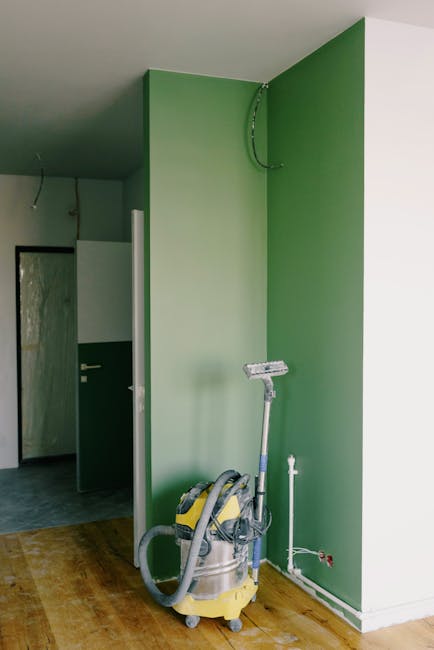
Clements Road post renovation cleaning Ilford: a practical guide to getting your space truly finished
Renovation dust has a funny way of lingering. You can wipe a shelf, open a window, even run the hoover round twice, and still find a fine grey film on the skirting or a bit of plaster dust in the window track the next morning. That is why Clements Road post renovation cleaning Ilford matters so much: it turns a project that looks "almost done" into a home, flat, or business space you can actually live and work in comfortably.
If you have just had builders in, you probably want the same thing everyone else wants: to stop cleaning around the mess and finally enjoy the result. This guide explains what post renovation cleaning involves, how it works, what to expect, and how to avoid the common mistakes that waste time and energy. It also shows where it makes sense to bring in professional help, especially when dust has settled everywhere and time is already tight.
Expert summary: post renovation cleaning is not just a tidy-up. It is a detailed, methodical clean designed to remove construction residue, protect new finishes, and make the property genuinely ready for use. Done properly, it saves hassle later. Truth be told, it also saves your sanity.
Why Clements Road post renovation cleaning Ilford Matters
Renovation work creates a different kind of dirt. It is not the same as ordinary household dust, and it is definitely not the same as end-of-day crumbs or everyday footprints. You are dealing with plaster dust, paint splatter, adhesive residue, sawdust, silicone smears, grout haze, packaging debris, and the fine film that settles into places you barely notice until you touch them.
On a street like Clements Road in Ilford, that matters because properties often move quickly from one use to another. A refreshed flat, a family home, or a small commercial space needs to look finished, not half-done. Even if the builders have done a decent job, they are usually not there to do a detailed post works clean. That last phase needs its own plan.
There is also a practical side. Renovation dust can scratch surfaces if you drag grit across them with the wrong cloth. New flooring can be marked, fresh paint can be dulled, and a newly fitted kitchen can still feel unpleasant if drawer runners, sockets, and trims are left full of debris. That is exactly why a proper after-build clean is so valuable. It protects the work you have paid for.
If you are comparing cleaning options, it is worth looking at specialist after builders cleaning rather than treating the project like a standard house clean. The method is different, the pace is different, and the attention to detail needs to be better. Much better, usually.
Key point: post renovation cleaning is the bridge between construction and normal living. Without it, even a beautiful renovation can feel unfinished for days or weeks.
How Clements Road post renovation cleaning Ilford Works
A good post renovation clean starts with assessment, not scrubbing. You need to know what has been done, what materials were used, which rooms are affected, and where the dust has travelled. Renovation dust does not respect doors. It travels. Under skirting, over hinges, through vents, into cupboards, along windowsills. It gets everywhere, honestly.
The process usually follows a sensible order so that dirt is removed from top to bottom and dry contamination is cleared before wet cleaning begins. That order matters because if you start mopping too early, you can end up turning dust into a smeared paste. Nobody wants that. Not a single person.
Professional cleaning teams will often begin by removing loose debris, stickers, protective film, and packaging remnants. Then they move through dusting, vacuuming with the correct attachments, wiping hard surfaces, treating kitchens and bathrooms, and finishing with floors, glass, and detail work. If carpets or soft furnishings have picked up dust or marks, targeted care may be needed, such as carpet cleaning or upholstery cleaning.
In many cases, the clean is split into zones. That helps prevent re-contaminating already cleaned areas. For example, the kitchen may need a separate pass because of grease, adhesive, and appliance dust, while the bathroom needs careful attention around fixtures, tiles, and sealant lines. The hallway often becomes the forgotten bit, and then you realise it was the main dust highway all along.
For homes that need a broader reset after works, a deeper all-round treatment may be more suitable than a light refresh. In that case, a deep cleaning approach can sit very naturally alongside post renovation work. It is especially useful where dust has moved into soft fittings, cupboards, or hard-to-reach edges.
What a proper clean usually includes
- Removal of plaster, dust, paint flakes, and light construction residue
- Careful dusting of ledges, fittings, sockets, skirting, and trims
- Cleaning of internal windows, frames, and sills
- Degreasing and wipe-down of kitchens
- Bathroom detailing around taps, tiles, and sanitaryware
- Vacuuming with suitable filtration and edge tools
- Floor cleaning matched to the surface type
- Final inspection for missed marks, dust trails, and touch-up spots
Key Benefits and Practical Advantages
The obvious benefit is a clean property. But there is a bit more to it than that. A good post renovation clean changes how the space feels, how safe it is to use, and how much extra work you will need to do later.
First, it makes new work look new. That sounds simple, but it is the whole point. Builders' dust and residue can make freshly painted walls, new flooring, and fitted storage look tired before you have even settled in.
Second, it reduces the risk of damage. Fine grit on hard floors can act like sandpaper under shoes and furniture legs. Dust on blinds, seals, or machinery can also create avoidable wear. A careful clean helps preserve finishes from day one.
Third, it saves time. Most people underestimate how long it takes to get rid of renovation mess properly. You can spend a whole Saturday just moving dust from one surface to another if the method is wrong. That is a miserable way to spend your weekend, to be fair.
Fourth, it improves comfort and usability. There is a big difference between a room that looks clean and one that actually feels clean. When the surfaces are free from dust, the air smells fresher, the floors feel better underfoot, and the whole place relaxes a bit.
Fifth, it helps when you are moving back in, renting out, or handing over a property. If the renovation is part of a sale, a tenancy change, or a business refresh, the final clean can be the thing that shapes the first impression. And first impressions are sticky.
For homes that need occasional help beyond the renovation itself, services like one-off cleaning can be a useful next step once the builders' dust has been removed. If the space is domestic and you want to keep momentum after the works, domestic cleaning support can help maintain the result.
Who This Is For and When It Makes Sense
Clements Road post renovation cleaning Ilford is relevant to anyone who has had building or refurbishment work done and wants the property ready for normal use. That includes homeowners, landlords, tenants, letting agents, small businesses, and trades-led projects where the final presentation matters.
It makes particular sense when one or more of these apply:
- the work created visible dust across multiple rooms
- new flooring, fixtures, or paintwork need careful protection
- the property must be ready for moving in quickly
- the clean-up has become too large for a normal household routine
- you want the renovation to look finished before guests, clients, or family arrive
You might also need it if the job is only half-finished in practical terms. Maybe the builders left the room tidy, but there is dust inside cupboards, on top of wardrobes, behind radiators, and in the corners by the skirting. That is common. It is not a complaint, just reality.
Small offices and commercial spaces can benefit too, especially after flooring work, partition changes, or a front-of-house refresh. If the space needs care beyond domestic-level cleaning, a professional office cleaning approach can help once the renovation debris is out of the way. For more specific support, office cleaners may be the right fit where work schedules and access windows are tight.
Step-by-Step Guidance
Here is a sensible way to approach the clean, whether you are doing part of it yourself or preparing for a professional visit.
- Walk the property and identify the worst areas. Start with the rooms touched by building work, then note where dust has travelled. Look high and low. Skirting, vents, light fittings, tops of doors, behind appliances.
- Remove loose waste and protective materials. Cardboard, tape, plastic coverings, screws, offcuts, and packaging should go first. If debris is left behind, it gets in the way of everything else.
- Dry clean before wet cleaning. Vacuum and dust before wiping. This avoids muddy streaks and keeps grit from being spread around.
- Work from top to bottom. Clean shelves, frames, ledges, and fittings before doing lower surfaces and floors. Gravity will do the rest if you let it.
- Use the right products for the surface. Fresh paint, lacquered wood, natural stone, laminate, and stainless steel all need different handling. One-size-fits-all often means one-size-fits-wrong.
- Detail the kitchens and bathrooms carefully. These rooms usually trap the most residue. Pay attention to taps, tile edges, handles, grouting, extractor covers, and appliance fronts.
- Finish with floors and glass. Once everything above is clean, treat the floors and window areas last so you do not undo your work.
- Inspect under natural light. Morning or late-day light shows up dust, smears, and missed marks that indoor lighting sometimes hides.
If your project includes hard flooring, it is worth paying close attention to the surface type. Some floors need gentle care rather than aggressive scrubbing. A specialist hard floor cleaning service can help protect stone, tile, or sealed surfaces from damage caused by incorrect methods.
Expert Tips for Better Results
A few small choices make a big difference. The kind of difference you notice the next morning when the room still looks good rather than dusty again.
Use vacuum attachments, not just the main head. Crevice tools, brush heads, and upholstery tools help remove dust from frames, tracks, radiator fins, and corners. The main floor head alone will miss a lot.
Change cloths often. A cloth that looks only slightly grey is usually already holding plenty of fine residue. Swap it out before it starts smearing the dust back across the surface.
Do not rush newly finished surfaces. Fresh sealant, paint, or adhesive may need a little time before it can handle cleaning pressure. If you are unsure, test a tiny hidden area first. Always.
Open windows sensibly. Fresh air helps, but on a very dusty day you do not want to create a wind tunnel that brings debris back inside. Short, controlled ventilation is better than leaving everything wide open for hours.
Check the tops and bottoms of doors. These are classic missed spots. So are the undersides of shelves, the edge of skirting, and the little space behind a bin or radiator.
Protect the clean as you go. If builders are still returning for snagging, ask them to use coverings and keep access routes tidy. There is no point polishing the hallway if it is going to be used as a rubble route tomorrow.
For projects that also leave soft furnishings and fitted fabric surfaces looking tired, sofa cleaning or broader carpets cleaning support may help bring the whole room back together. Small detail, big difference.
Common Mistakes to Avoid
Post renovation cleaning looks straightforward from the outside. It usually is not. A few common errors can turn a manageable job into an all-day shuffle.
- Starting with wet wipes too soon. This spreads dust into streaks and makes the surface look worse.
- Using the wrong cloths on delicate finishes. Rough sponges can scratch paint, gloss, or polished surfaces.
- Ignoring hidden dust traps. Window runners, door frames, top shelves, and light fittings often collect the most residue.
- Cleaning floors before overhead dust is gone. You will just have to clean them again. And nobody enjoys that repeat.
- Forgetting air vents and small hardware. Handles, switches, and vents may seem minor, but they influence how clean a room feels.
- Assuming a quick tidy is enough. Renovation residue often sits in layers. A fast pass only handles the top layer.
Another mistake is underestimating carpet contamination. Fine building dust sinks into fibres and can linger even after visual cleaning. If that is the case, a proper carpet cleaning treatment may be needed rather than a standard vacuum alone. In some homes, that is the difference between "pretty clean" and "actually clean".
Tools, Resources and Recommendations
You do not need a warehouse full of kit, but you do need the right basics. A decent toolkit keeps the job safer, cleaner, and less frustrating.
Helpful tools for post renovation cleaning
- HEPA-style vacuum or a vacuum with strong filtration
- Microfibre cloths in multiple colours or batches
- Soft brushes for vents, frames, and corners
- Bucket, neutral cleaner, and surface-specific products
- Squeegee for glass and internal windows
- Non-scratch pads for stubborn marks, used carefully
- Disposable gloves and a dust mask if there is a lot of debris
For larger or more demanding jobs, a professional cleaning company can be the calmer choice. If you are comparing service quality, look for clear communication, sensible process, and proper care for surfaces rather than big promises. A trustworthy cleaning company should be able to explain how they handle dust control, access, and finish standards in plain English.
It also helps to choose cleaners who understand domestic and commercial settings separately. A good team of cleaners should know that renovation residue is not regular dirt and should not be treated like it is.
If you want a broader home refresh after the works, services such as house cleaning, home cleaners, or a local cleaner can be useful once the heavy debris has been removed.
Law, Compliance, Standards, or Best Practice
Post renovation cleaning is not usually governed by one single rulebook, but there are still sensible UK standards and best practices worth respecting. The main concerns are safety, surface care, waste handling, and fair working conditions.
From a practical standpoint, a cleaning provider should follow basic health and safety discipline: suitable PPE where needed, safe handling of cleaning chemicals, clear awareness of slip risks, and cautious use of equipment around fresh finishes or electrical fittings. If you are booking a service, it is sensible to ask about health and safety practices and insurance and safety.
Waste disposal also matters. Renovation leftovers can include packaging, dust bags, offcuts, sealant tubes, and broken items that should not simply be dumped with ordinary rubbish if they fall into a different waste stream. Many households only need light disposal, but if the project has left a bigger clear-out, a house clearance service may be the more practical route.
Good practice also means clear pricing, a proper scope of work, and transparent terms. That protects both sides and avoids confusion about what is included. If you are comparing suppliers, have a look at pricing and quotes and the terms and conditions before booking. It is a boring step, admittedly, but a useful one.
Finally, if you prefer to understand how a company operates, its about us page and recycling and sustainability information can tell you a fair bit about standards and values without the fluff. Good businesses usually let their details do the talking.
Options, Methods, or Comparison Table
There is more than one way to deal with post renovation cleaning in Ilford. The right choice depends on the size of the job, how dusty it is, and how quickly the space needs to be usable again.
| Option | Best for | Strengths | Limitations |
|---|---|---|---|
| DIY clean-up | Light renovation dust and small touch-up work | Low cost, flexible timing, full control | Time-consuming, easy to miss fine dust, higher risk of surface damage |
| One-off professional clean | Most medium-sized renovation jobs | Faster, more thorough, better detailing | Costs more than DIY, requires booking and access planning |
| Specialist after-builders clean | Heavy dust, multi-room works, fresh finishes | Best for deep residue removal and detailed finishing | May be more intensive than a simple domestic clean |
| Combined cleaning package | Properties needing carpets, upholstery, or windows included | Convenient, more cohesive final result | Needs careful scoping so nothing is over- or under-cleaned |
For example, a freshly renovated kitchen and hallway might need targeted builders clean work, while the adjoining lounge may also benefit from window cleaning and carpet care. A single room might only need a lighter one-off cleaning visit. The point is to match the method to the mess, not the other way round.
Case Study or Real-World Example
Picture a small family flat near Clements Road after a kitchen refresh. The new cabinets are in, the worktops are gleaming, and the cooker hood finally looks modern again. But the place still feels dusty. There is a powdery layer on the fridge top, fine grit along the skirting, marks on the window ledge, and a faint smell of construction dust that hangs around by the afternoon.
The first instinct is usually to wipe the obvious surfaces. Fair enough. But after ten minutes, you realise the dust has settled on the blind cords, the top of the door frame, and inside the track of the patio door. The floor looks clean until the light catches it. Then, suddenly, it does not.
In a case like that, the smartest approach is to clean in passes. First debris and dust removal, then the kitchen detailing, then glass and frames, then floors last. If the carpet in the living room has caught dust, a dedicated carpet treatment can stop the room from feeling half-finished. If the sofa has picked up a dusty film, a soft furnishing clean can make the whole room feel settled again.
The big lesson? The final 10% of work often creates 90% of the comfort. That sounds a bit dramatic, maybe, but it is true more often than people expect.
Practical Checklist
Use this checklist before, during, or after your post renovation clean. It keeps the process grounded and stops the usual "oh, we forgot that bit" moment.
- Confirm all builders have finished their work or only minimal snagging remains
- Remove packaging, offcuts, tape, and loose debris
- Ventilate the property sensibly
- Dust high surfaces first
- Vacuum edges, corners, and tracks
- Wipe switches, handles, frames, and skirting
- Clean kitchens and bathrooms with suitable products
- Treat glass, mirrors, and internal windows
- Clean floors last, matching the method to the surface
- Inspect under natural light for missed marks
- Check carpets and upholstery for settled dust
- Make sure the space is ready for normal use, not just visually tidy
If you are booking help rather than doing it yourself, it is also worth checking access arrangements, timings, and payment terms early. A smooth job is usually the result of simple planning, not magic.
Conclusion
Clements Road post renovation cleaning Ilford is really about closure. Not just cleaning for the sake of it, but finishing a project properly so the property feels calm, fresh, and ready for real life again. Builders can create something new, but a detailed clean is what lets you actually enjoy it.
Whether you are dealing with a small refresh or a full renovation, the main principles stay the same: remove the dust carefully, protect the new finishes, use the right method for each surface, and do not underestimate the hidden spots. That last bit catches people out all the time.
If the job feels too big, too dusty, or too time-sensitive, professional support is often the sensible route. There is no medal for spending three days chasing plaster dust around the house. Sometimes the best decision is simply to get it done well and move on with your week.
Get a free quote today and see how much you can save.
Frequently Asked Questions
What is included in post renovation cleaning?
It usually includes dust removal, debris clearing, wiping of surfaces, cleaning of kitchens and bathrooms, glass and frame cleaning, and a final floor clean. The exact scope depends on how much renovation work was done and which rooms were affected.
How is post renovation cleaning different from regular house cleaning?
Regular cleaning focuses on maintenance. Post renovation cleaning deals with construction residue such as plaster dust, adhesive marks, paint splashes, and fine grit. It is more detailed and usually more time-intensive.
How long does a post renovation clean take?
That depends on the property size, the amount of dust, and the type of surfaces involved. A small room can take much less time than a whole flat or a multi-room renovation. The more detailed the finish, the longer it can take.
Should I clean before or after the builders leave?
Usually after the builders leave, or after the main work is finished. If snagging is still happening, a light tidy may help, but the proper clean is best done once heavy work has stopped.
Can I do post renovation cleaning myself?
Yes, if the job is light and you have time. For heavier dust or delicate finishes, professional help is often safer and more effective. A wrong cloth or cleaning product can make more work, fast.
Do I need carpet cleaning after renovation work?
Often, yes, especially if fine dust has settled into the fibres. Vacuuming alone may not remove all of it. In many cases, targeted carpet cleaning is the better finish.
Will renovation dust damage new paint or flooring?
It can, if it is wiped around with the wrong tools or left sitting for too long. Fine grit can scratch floors, and rough cleaning can mark fresh paint or sealant. Careful methods matter.
Is post renovation cleaning suitable for commercial spaces?
Yes. Offices, reception areas, and small business spaces often need it after refits or redecorations. In those settings, timing and access planning are especially important.
What should I ask before booking a cleaning company?
Ask what is included, how they handle dust control, what products they use, whether they have insurance, and how pricing is structured. Clear answers are a good sign. Vague answers are not.
Can post renovation cleaning include windows and upholstery?
It can, if those areas have been affected. Windows often collect dust in frames and tracks, and soft furnishings may need extra care. Services like window cleaning and sofa cleaning can be part of the wider solution.
Is there a best time to book the clean?
Yes, ideally after all dusty work is complete and before the property is fully occupied. That timing prevents repeat cleaning and makes the handover much easier.
How do I know if the job needs deep cleaning rather than a light tidy?
If dust has moved into corners, cupboards, vents, soft furnishings, or multiple rooms, it is probably beyond a simple tidy. A deep cleaning approach is usually the safer bet.
What if I need the whole property refreshed after renovation?
Then it may make sense to combine builders clean work with broader domestic support such as house cleaning or home cleaners so the space feels settled across every room.
If you are ready to bring the project to a proper finish, start with a team that understands the detail behind the dust. A good clean at the end can make the whole renovation feel worth it, and that's the bit people remember.