Ilford Cleaner in Ilford

We provide Ilford Cleaner in Ilford, with a practical focus on domestic and commercial cleaning that keeps homes, workspaces and shared areas presentable, hygienic and easier to manage. The service covers routine upkeep as well as deeper cleaning tasks, so customers can choose the level of help that suits the property, the surface finish and the condition of the space. If you are looking for a straightforward way to organise cleaning support, start by thinking about the rooms, surfaces and priorities that matter most.
Our main work includes regular cleaning, one-off visits, deeper attention to built-up dirt and targeted care for common household surfaces such as carpets, upholstery, ovens and windows. We also support offices and other workplaces where a tidy environment helps day-to-day use. The aim is simple: a cleaner space with work carried out in a clear, orderly way. For a quote, you can review pricing and quotes and decide which service scope makes sense.
Not every property needs the same approach, which is why it helps to separate what must be done from what would simply be nice to have. Some customers want a repeated clean that stays on top of general dust and dirt, while others need a more focused visit after a move, refurbishment or busy period. We keep the service flexible so the work can match the state of the property without overcomplicating the booking. Choose the outcome first, then build the request around it.
Domestic cleaning for busy homes
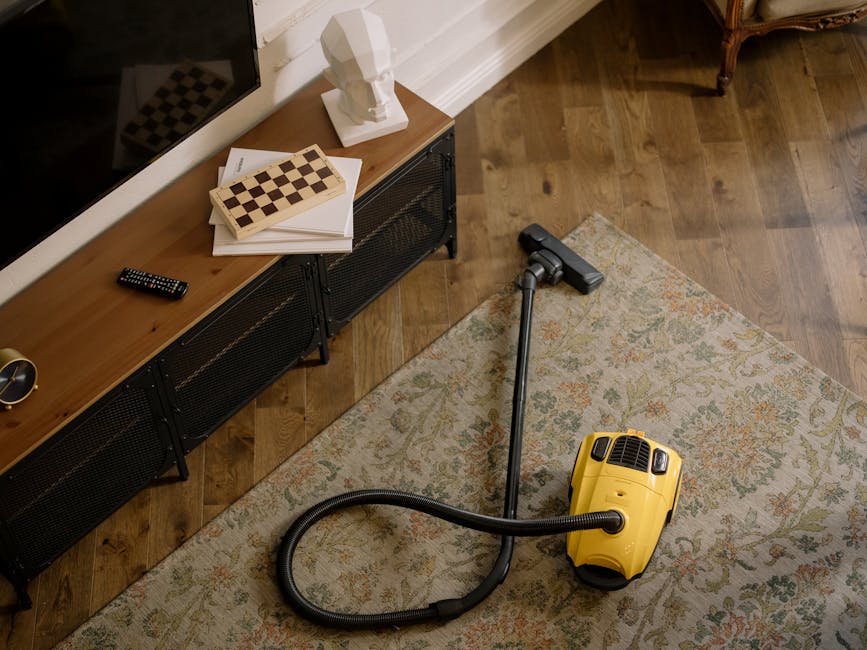
Domestic cleaning is often about consistency rather than dramatic intervention. In a lived-in home, the visible finish of floors, worktops, sinks and touchpoints can be affected quickly, so a well-planned clean helps keep those areas manageable. We can support regular home cleaning where the main aim is to stay ahead of everyday dirt, and we can also handle occasional visits when the property needs a more thorough reset. The work is best planned room by room, so the time spent is directed where it matters most.
For many households, it is useful to separate general tasks from specialist ones. General domestic cleaning can include dusting accessible surfaces, vacuuming, mopping, wiping fixtures and tidying visible marks, while specialist work may involve an oven, carpets or upholstery that need more focused methods. This means the service can be built up in stages rather than packed into one oversized visit. If you are comparing options, read more about domestic cleaning and decide whether a standard or deeper approach is more suitable.
To make any domestic clean more effective, it helps to be clear about access and priorities in advance. A short note on which rooms matter most, whether there are fragile surfaces and whether certain areas need extra attention can improve the way the visit is planned. If you want to move from a general enquiry to a booked scope, send your cleaning enquiry here and include the type of home and the tasks you want covered.
Deep cleaning when surfaces need more attention

Deep cleaning goes beyond the usual weekly routine. It is suited to properties where dirt has built up, where certain rooms have been neglected for a while or where a cleaner, more detailed result is needed before a change of occupancy or after a busy season. The work often includes more time on edges, fixtures, fittings and awkward areas that are easy to miss in everyday maintenance. It is not the same as a simple quick clean; the pace is slower and the finish is more detailed.
In practical terms, a deep clean may be the right choice for kitchens, bathrooms and high-use living spaces where grease, soap residue, limescale and dust tend to settle. It can also be helpful for homes that have not had a professional clean for some time. We focus on the areas that most affect how the space looks and feels, rather than trying to treat every property as identical. For a fuller service outline, see deep cleaning and compare it with standard upkeep.
When a customer is asking for a deeper visit, the most useful information is usually the condition of the property, the rooms involved and any surfaces that need care. That does not mean sending a long essay; a few clear details are often enough to shape a sensible plan. If you are ready to ask for a price, the best next step is to request a quotation with the property type and the kind of finish you want.
Cleaning for end of tenancy and move-out changes
End of tenancy cleaning requires a more targeted standard than routine domestic cleaning because the aim is usually to leave the property in a condition that supports handover, inspection or new occupancy. The work generally needs attention to kitchens, bathrooms, internal storage areas, floors, fixtures and visible surfaces, with a focus on removing marks and residues that may otherwise be left behind. It is a practical option where the property must be presented neatly at the end of a stay.
This type of service is also useful when a home has been cleared of personal items and the remaining spaces need a last detailed clean. Rather than approaching it as a casual tidy-up, it is better to think in terms of areas that must be finished properly and areas that can be handled as part of the wider clean. If you need a service page for that type of work, end of tenancy cleaning gives a clear starting point for the scope involved.
At this stage, it is wise to keep the request precise: note the number of rooms, whether the property is furnished or unfurnished and whether any surfaces need special treatment. A concise list helps keep the quotation relevant to the actual job. Be clear about the result you need, not just the date, and you will usually find it easier to compare options sensibly.
Specialist care for carpets, upholstery and rugs

Soft furnishings need a different approach from hard floors and wipeable surfaces. Carpets, sofas, chairs and rugs hold onto dust, everyday soil and trapped odours, so the method used has to suit the fibre, weave and overall condition of the item. A careful clean can refresh a room without replacing the furnishing, but it should always be matched to the material rather than treated as a one-method service for every item. That is especially important where delicate fabrics or mixed fibres are involved.
We can support carpet cleaning, sofa cleaning, upholstery cleaning and rug cleaning as separate but related services, each with its own method and result. The right choice depends on whether the fabric is fitted, movable, heavily used or simply in need of maintenance. It can also depend on stains, traffic patterns and the age of the item. For more detail on a specific furnishing, carpet cleaning is one of the clearest places to begin.
When asking about soft furnishing work, it is helpful to mention the item type, material if known and any obvious marks or wear. That keeps the recommendation grounded in the actual job instead of a generic description. If you need to compare a few related options, the most useful approach is to ask for a quotation that covers the specific items rather than the room as a whole.
Kitchen and oven cleaning for built-up grease
Kitchens often need a more concentrated clean because cooking creates grease, splashes and residue in places that are easy to overlook during ordinary maintenance. Oven cleaning in particular involves removing baked-on deposits from internal surfaces, trays and other accessible parts so that the appliance looks and works more neatly. In a shared or busy kitchen, this kind of work can make the whole room feel better organised and easier to maintain afterwards.
We also cover broader kitchen surfaces as part of a structured clean where the goal is to deal with the areas that collect grime most quickly. This can include the front of the oven, nearby work areas and surfaces affected by steam or splatter. If you need a focused appliance service, oven cleaning explains the type of work involved and how it differs from general domestic cleaning. The distinction matters because appliance cleaning is usually more intensive than a standard wipe-down.
Customers often get the best result when they identify the exact appliances and kitchen zones that need attention before any booking is agreed. That keeps the quotation realistic and avoids treating a full kitchen as though it were a single simple surface. Tell us what needs proper attention, and the request can be shaped around the actual cleaning task rather than a guess.
Window and facade cleaning for a clearer exterior finish

Window cleaning and facade cleaning both help improve the presentation of a property, but they serve different purposes. Windows affect light, visibility and the look of the interior and exterior at once, while facades deal with the broader outer face of the building. The right method depends on the surface, access and how much dirt has accumulated. For glass, the aim is usually a clean, streak-free finish; for exterior surfaces, the work may involve lifting general dirt, marks and weathering.
These services are especially useful where appearance matters at the front of a house or workplace, or where a build-up of grime is visible from street level. We can support ordinary window cleaning as part of property maintenance, and more detailed exterior work where the building surface needs closer attention. The scope should always be chosen carefully, because the tools and methods for glass are not the same as those for rendered or masonry surfaces.
If you are unsure whether you need one service or both, start with the surfaces that are most visible and the problem that bothers you most. A clean exterior can make a property feel brighter before you ever step inside it. For practical planning, list the windows, the access points and the areas of the facade that need work, then ask for a quotation based on that scope.
Office cleaning and shared workplace support
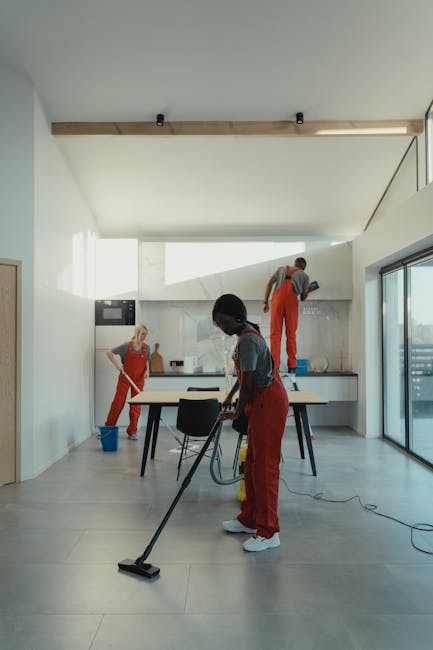
Office cleaning is about keeping the working environment orderly, presentable and easier to use every day. In a workplace, dust, fingerprints, waste and general surface soil can build up quickly, especially in shared areas, meeting spaces and entries that see regular footfall. A sensible cleaning plan usually separates routine tasks from periodic deeper work, so the office stays in good condition without unnecessary disruption to use.
Our office cleaning support can be adapted to different types of workspace, from compact offices to more open shared environments. Common priorities include desks, touchpoints, bins, floors, reception areas and kitchen or break-room spaces. If you want to see how a workplace-focused service is described, office cleaning provides a clear reference point. For businesses, it can be useful to define which zones are public, which are staff-only and which need more careful handling.
Practical preparation keeps office work efficient: note the layout, the rooms to be cleaned and whether there are security or access considerations. If the cleaning needs to fit around opening hours or team use, that should be stated plainly. Once those details are clear, a quotation can reflect the real size of the task instead of relying on broad assumptions.
How to plan the right cleaning scope
The most useful cleaning request is usually the one that names the result, the rooms and the surfaces rather than trying to describe every detail in one long message. If a property needs several kinds of work, it is better to separate them into groups: general room cleaning, soft furnishing care, appliance cleaning and any specialist exterior or workplace tasks. That makes it easier to choose the right service path and avoid paying for work that is not needed.
One simple way to prepare is to think about three things before asking for a quote: what must be cleaned, what condition it is in and what sort of finish you expect. You do not need to overcomplicate it. A short list of rooms, a note about problem areas and any relevant access information will usually be enough. If you would like a broader overview of available cleaning services, cleaning company gives a good sense of how the work can be organised across different property types.
As a rule, the cleaner the brief, the easier it is to match the work to the budget and the timetable. Focus on priority tasks first, then add any optional extras if they are genuinely needed. That keeps the enquiry practical and gives you a better basis for comparing responses.
About Ilford
Ilford is a large district in East London, historically associated with the ancient parish of Barking and later with Essex before becoming part of Greater London in the 20th century. It developed significantly along the line of the former Romford Road and later the railway, with Ilford station giving the area an important transport link into central London. The district is now closely identified with the London Borough of Redbridge, which was created in 1965. Its urban character reflects a long process of suburban expansion, local commerce and residential growth. Although the area is well known today for its shopping streets and busy traffic corridors, it also retains pockets of older townscape and civic space that show different stages of development.
The area includes several recognisable landmarks and public spaces. Valentines Park, one of the best-known open spaces in the district, surrounds Valentines Mansion, an 18th-century house that is now a local heritage attraction. The park is valued for its formal gardens, lakes and wide paths, and it remains an important green setting within a densely built part of London. The area also has a strong retail identity around the town centre, where Broadway-style shopping streets and local businesses sit alongside transport links and public facilities. Nearby cultural life is reflected in theatres, community venues and libraries that serve a diverse population. Ilford’s architectural mix ranges from late Victorian and Edwardian housing to later flats, shopping parades and civic buildings. This combination gives the district a layered appearance rather than a single uniform style.
Ilford also sits within a wider network of east London places that have their own distinct identities, while still sharing historical and transport connections. The presence of rail services, road corridors and local parks means it functions both as a residential district and as a commercial centre. Its streets show evidence of suburban planning, infill development and modern redevelopment, yet older civic and leisure landmarks remain visible. The result is a place shaped by movement, trade and everyday urban life, with a character that is practical, varied and distinctly metropolitan.
What to include when you ask for a quote

A clear quotation request usually saves time for both sides. Start with the property type, the rooms or items involved and the kind of clean you want, whether that is domestic cleaning, deep cleaning, an appliance task or a specialist furnishing service. If the property is empty, furnished, heavily used or in a particular condition, say so plainly. That information is more useful than a long general description because it helps the service scope match the actual job.
It is also sensible to mention anything that may affect the work itself, such as fragile finishes, difficult access, parking restrictions, security entry or items that need to stay in place. These details do not need to be turned into a formal checklist; they just help avoid confusion later. If you need to compare multiple services, one-off cleaning can be a useful reference for a single visit that is not part of a regular schedule. For many customers, that is the simplest starting point before choosing a longer-term plan.
The final step is straightforward: decide what matters most, gather the basic facts and request a quotation based on the real scope of work. A concise enquiry gives a better chance of an accurate response than a vague request for “a cleanâ€, because the difference between general upkeep, deeper treatment and specialist work can be significant.