Redbridge Council garden waste rules and cleaning disposal: a practical local guide
If you are clearing a garden in Redbridge, the job is rarely just "put the green bits out and hope for the best". Between hedge clippings, muddy turf, broken pots, soil, and the aftermath of a tidy-up that somehow always takes longer than planned, it can get confusing fast. This guide to Redbridge Council garden waste rules and cleaning disposal explains the sensible, compliant way to handle garden debris, what usually counts as garden waste, what to keep out of it, and how to avoid the common mistakes that lead to extra hassle.
We will also cover the practical side of cleaning disposal after garden work: sweeping up, separating rubble from organic waste, handling contaminated materials, and deciding when a simple sort-and-bag approach is enough versus when a fuller clearance makes more sense. To be fair, most people do not need a lecture. They need a clear plan. So that is what this article gives you.
Why Redbridge Council garden waste rules and cleaning disposal Matters
Garden waste sounds harmless enough. Leaves, grass cuttings, pruned branches, a bit of soil on the side. Easy, right? The issue is that once a garden clear-out starts, garden waste tends to mix with other materials: broken fencing, plastic plant pots, old compost bags, stones, general household rubbish, and sometimes things that definitely should not be in a green waste pile. That is where problems begin.
Local rules matter because waste has to be sorted and presented in the right way for collection or taken to the right disposal route. If you mix in the wrong materials, the load may be rejected, left behind, or treated as contaminated. In everyday terms, that means more work for you and more cost if you need a second attempt. Nobody wants that on a wet Tuesday with a back gate full of half-finished bags.
It also matters for hygiene and appearance. After garden work, leaving damp cuttings, leaf litter, or soil smeared across patios and paths can create slipping hazards and a rather grim look. A proper cleaning disposal routine keeps the outdoor space tidy, safe, and ready to use again. If the job is bigger than a quick sweep, a service such as one-off cleaning can be useful for the aftermath, especially where mess has spread into utility areas, hallways, or conservatories.
There is also a sustainability angle. Garden waste is usually one of the cleaner waste streams when it is kept separate. Put bluntly, green waste is far easier to handle well if you do not contaminate it with general rubbish. That is why a little discipline at the start saves time later. And yes, it really does. Every time.
How Redbridge Council garden waste rules and cleaning disposal Works
The practical idea is simple: keep organic garden waste separate from everything else, then use the approved collection or disposal route available to you. In most domestic situations, the process is built around sorting, bagging or containing the waste correctly, and making sure the material is presented in a way that can be handled safely.
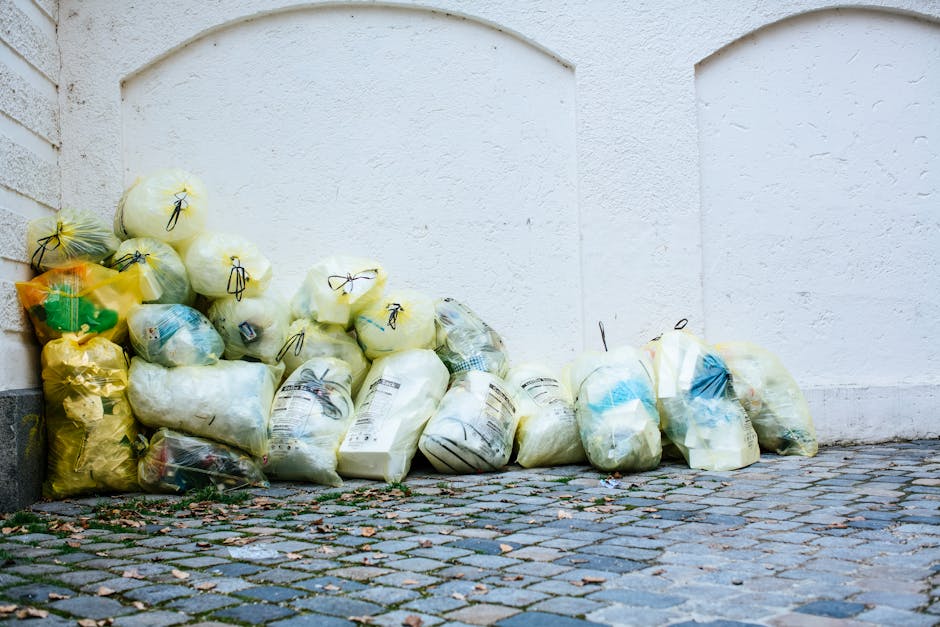
Garden waste commonly includes things like grass cuttings, hedge trimmings, leaves, small branches, weeds, and other plant material. Once the task shifts into soil removal, bulky roots, stones, broken planters, or mixed debris, you are often moving away from straightforward green waste and into a more mixed clearance. That distinction matters more than people expect.
Cleaning disposal after garden work should be thought of in layers:
- Layer 1: collect organic waste separately.
- Layer 2: sweep and remove loose soil, mud, and leaf litter from hard surfaces.
- Layer 3: sort out non-organic items such as plastic, glass, metal, and rubble.
- Layer 4: decide whether the remaining waste is suitable for a normal collection route or needs a clearance service.
If the job involves more than a light garden tidy, you may also be dealing with indoor spill-over. Mud on flooring, grass stains on carpets, and soil tracked along skirting boards are all typical after a messy job. In those cases, a targeted service such as deep cleaning can help restore the property after the outdoor work is finished.
A good rule of thumb: if it can rot, mulch, or compost, it is probably being treated as garden waste. If it looks like building material, household rubbish, or a hard non-organic object, treat it separately. That is the practical part. Simple, but easy to get wrong when the bags start piling up.
Key Benefits and Practical Advantages
Following the correct garden waste process is not just about staying on the right side of local rules. It makes the whole clean-up smoother, faster, and less stressful.
1. Fewer rejected collections. Mixed waste is the classic reason garden bags are left behind. Separate the waste properly and you reduce that risk straight away.
2. Better presentation. A cleaned and cleared garden looks intentional, not abandoned halfway through a weekend project. That matters if you are preparing a home for sale, tenancy inspection, or simply want the space back.
3. Safer pathways and outdoor areas. Wet leaves, loose twigs, and soil patches can be slippery. Clearing them quickly helps prevent avoidable slips and scrapes.
4. Easier recycling and handling. Pure green waste is usually much easier to manage than a mixed pile with plastics, broken pots, and general rubbish mixed in.
5. Less indoor mess. Once the outdoor waste is contained early, you do not keep dragging soil and bits of hedge through the house. Small mercy, but a real one.
For busy households, the biggest advantage is usually time. Garden work often starts as "just a bit of pruning" and ends with bags, broom marks, muddy shoes, and one person wondering why the shed is suddenly full again. If the cleanup has grown beyond what you planned, house cleaning support can be a practical way to reset the property after the waste has gone.
Who This Is For and When It Makes Sense
This topic matters to more people than you might think. It is not just for keen gardeners or landlords with overgrown back plots. In practice, the rules and disposal approach are useful for:
- homeowners clearing lawns, hedges, borders, or patios
- tenants tidying gardens before moving out
- landlords checking the outdoor area between lets
- families after seasonal cut-backs and leaf fall
- anyone dealing with a post-storm mess or broken branches
- people combining garden tidy-up with wider property cleaning
It makes sense whenever the volume is more than a couple of small bags, or when the mess includes different material types. If you are only trimming a few shrubs, a simple sort-and-dispose approach is usually enough. If you are clearing an entire border, lifting old compost, or dealing with soaked debris after bad weather, the job becomes more involved.
Here is a very common real-world scenario: a person clears a small front garden, fills two bags with leaves and clippings, then realises there are also cracked terracotta pots, a rusted trellis, and some old potting mix. That is where many people pause and think, "Can I just put it all out together?" Usually, that is exactly the wrong moment to guess. Sort it first, then choose the route.
If the mess has travelled indoors, or if the whole property needs a reset after the garden work, an occasional one-off clean can be a better fit than trying to patch it together room by room.
Step-by-Step Guidance
Use this as a straightforward sequence rather than a rigid rulebook. The aim is to make disposal cleaner, safer, and less awkward.
- Identify the waste type. Separate organic garden waste from everything else. Grass, leaves, hedge trimmings, and small branches go in one group. Plastic, rubble, metal, glass, and household rubbish go elsewhere.
- Remove contamination. Shake off excess soil where possible. Pull out tape, plant ties, plastic labels, and random non-organic bits from the pile. This is boring, yes, but it helps a lot.
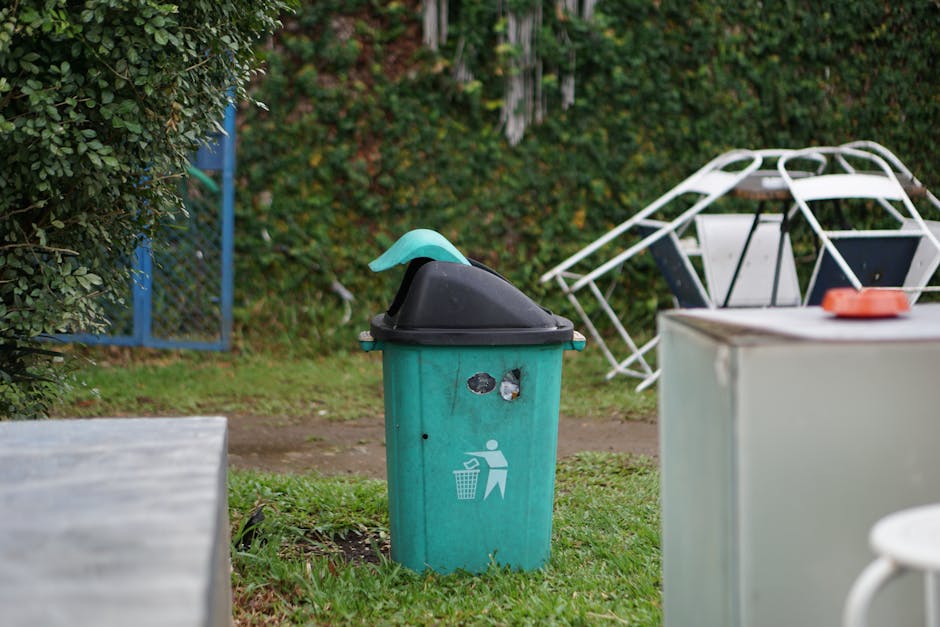
- Bag or contain the waste properly. Use suitable sacks or containers that can be moved safely. Do not overfill them. A bag that looks manageable on the lawn can become ridiculous on the steps.
- Clean hard surfaces as you go. Sweep patios, paths, driveways, and thresholds before the fine grit gets trampled around. Damp leaves can become mushy and harder to remove later.
- Decide whether the waste is purely green waste or mixed waste. If rubble, broken fixtures, or bulky non-organic items are involved, separate them and plan for a different disposal method.
- Check the collection or disposal arrangement. Follow the local process you are using, and make sure your bags or containers are ready for collection day or drop-off.
- Finish with a final clean. Brush up remaining debris, wipe muddy footprints, and check corners, step edges, and drain covers where leaves like to hide.
If you are left with a proper aftermath - muddy tiles, dusty edges, fingerprints on doors, and that faint earthy smell that lingers in hallways - then a more thorough service such as domestic cleaning may save you several hours of fiddly work.
Expert Tips for Better Results
A few small habits make a surprisingly big difference.
Keep dry and wet waste apart. Wet cuttings are heavier, messier, and more likely to leak. If you can, let lighter green waste drain a little before bagging it.
Work from top to bottom. Trim first, then collect, then sweep. If you sweep first and keep cutting, you are just creating the same mess twice. That is one of those lessons people learn the hard way.
Use a staging area. A flat section of the garden, driveway, or patio can act as a sorting point. It keeps the task organised and stops the mess spreading everywhere.
Do a quick smell test. If a bag starts to smell more like rotting compost than fresh greenery, it has probably been left too long or mixed with damp waste. Handle it promptly.
Think about the surfaces underfoot. Soil and leaf fragments on hard floors can scratch or smear, especially if stepped on. For indoor floors that have picked up grime, hard floor cleaning is often the sensible follow-up after the outdoor work is complete.
Do not underestimate the tiny bits. The large branches get your attention, but the little stems, grit, and leaf fragments are what make a place look unfinished. A clean finish is usually all in the details.
And if the garden job ended with upholstery or rugs catching mud from shoes, a specialised service like upholstery cleaning or rug cleaning can help restore the room without overdoing it.
Common Mistakes to Avoid
Most disposal problems are not dramatic. They come from small, avoidable habits.
- Mixing garden waste with general rubbish. This is probably the most common issue. A plastic flower tray buried under clippings can cause a bag to be treated as contaminated.
- Including soil or rubble without checking. A bit of soil is normal in many garden clear-ups, but heavy contamination, stones, and building debris need different handling.
- Overfilling bags. Overpacked sacks tear, leak, and are a pain to move. That is not a technical term, but it is accurate.
- Leaving waste too long in damp conditions. Damp green waste gets heavier and smellier. Not ideal when the weather turns.
- Forgetting the clean-up around the bin area. Even if the waste is sorted perfectly, loose leaves and mud around the collection point can make the whole place look untidy.
- Ignoring indoor spill-over. Garden waste work often follows the same route through the house. Hallways, mats, and kitchen floors pick up the evidence fast.
There is also a bigger planning mistake: assuming a garden tidy-up and a waste disposal job are the same thing. They are related, sure, but not identical. One creates the material; the other deals with what remains after sorting, packing, and moving. If your clear-out has turned into a bigger property reset, a professional cleaning company can help coordinate the clean-up more efficiently than doing it piecemeal.
Tools, Resources and Recommendations
You do not need specialist equipment for a basic garden waste clear-up, but the right few items make the work cleaner and safer.
- Sturdy garden gloves for handling thorny or damp material.
- Heavy-duty sacks to reduce splitting and leakage.
- A stiff broom and dustpan for patios, steps, and paved paths.
- A rake for leaves and loose clippings.
- A small hand trowel or scoop for soil and compost.
- A bucket or crate for sorting smaller mixed items.
- A hose or mop for muddy hard surfaces once the loose debris is gone.
For more substantial indoor clean-up after the outside work, the following services are often the most relevant depending on the mess:
- window cleaning if muddy splashes or handprints hit the glass
- carpet cleaning if soil or damp grass has been tracked inside
- oven cleaning if the whole house reset includes neglected kitchen grime too
- after builders cleaning if the garden work was part of a wider renovation and debris ended up everywhere
There is also a useful sustainability mindset here. If you try to keep waste streams separate from the start, the whole process feels calmer. Fewer surprises. Fewer "what on earth do I do with this?" moments.
Law, Compliance, Standards, or Best Practice
This section needs a careful tone. Garden waste handling can overlap with local waste rules, duty-of-care principles, and sensible environmental practice, but the exact collection arrangements can vary over time. So the safest approach is to treat the local authority's current guidance as the final word for collection day, container rules, and what they accept.
From a general UK best-practice perspective, the main principles are straightforward:
- sort waste properly before disposal
- do not contaminate recyclable or green waste with general rubbish
- avoid placing hazardous or unsuitable materials in garden waste containers
- store and move waste safely so it does not become a hazard to others
- use a licensed waste route for anything that is not part of the normal domestic green waste stream
That last point matters. If you have old paint tins, soil contaminated with chemicals, sharp metal, broken masonry, or bulky items from a garden clearance, those materials may need a different disposal route. Mixing them in is where people can run into trouble. It is rarely worth the risk.
Best practice also includes keeping paths clear for collection access, not leaving bags where they could blow open, and making sure the final tidy-up does not spread mud into communal or shared areas. If you live in a flat, a terrace, or a property with shared access, that small courtesy makes life easier for everyone.
Options, Methods, or Comparison Table
There are usually three practical ways to deal with garden waste and cleaning disposal. The right choice depends on volume, waste type, and how much time you want to spend on it.
| Method | Best for | Pros | Watch-outs |
|---|---|---|---|
| Small domestic sorting and collection prep | Light pruning, leaves, and small bags of green waste | Cheap, simple, quick if the volume is low | Easy to contaminate if you mix in pots, soil, or rubbish |
| DIY garden clearance with separate clean-up | Medium garden tidy-ups with more debris and surface mess | Flexible and controlled by you | Time-consuming; can become tiring when waste is damp or bulky |
| Professional clearance plus follow-up cleaning | Large clear-outs, post-renovation mess, or property prep | Faster, more organised, and less physically demanding | Usually the most expensive option, but often the least stressful |
If your project includes both outdoor clearing and indoor tidying, pairing a clearance approach with a service such as house clearance can be efficient, especially where mixed waste has built up over time. It is not always needed, but when it is, it really helps.
Case Study or Real-World Example
Imagine a small family garden at the end of spring. The hedge has grown a bit wild, there are weeds in the border, and the patio has a film of wet leaves from the last spell of rain. Nothing dramatic. Just enough to make the space feel tired.
They start with pruning and bagging the clippings. So far so good. But then they find old plant pots, broken edging pieces, and a sack of half-used compost that has gone lumpy and damp. The first instinct is to throw everything together and deal with it later. That is where the job starts to wobble.
Instead, they sort the load into three groups: green waste, hard non-organic items, and general mess from the patio. The garden waste is contained separately. The patio gets swept twice because the first sweep was not enough, and the muddy corner near the back door is washed down after the debris is removed. It is a bit of a faff, honestly, but the end result is cleaner and far less stressful.
After the outdoor work, the hallway needs a quick reset because shoes have dragged in grit. A targeted clean on the floors and the entry area makes the whole property feel finished rather than half-done. That is the key point. A good disposal routine is not just about taking stuff away. It is about making the space feel usable again.
Practical Checklist
Use this before you put anything out for collection or move on to the next stage of clean-up.
- Have I separated green waste from general rubbish?
- Have I removed plastic ties, labels, pots, metal, and other contamination?
- Are bags or containers strong enough and not overfilled?
- Have I dealt with soil, rubble, or bulky mixed material separately?
- Are the paths, steps, and access points clear and safe?
- Have I swept patios, thresholds, and driveways?
- Have I checked for mud or leaf debris indoors?
- Do I need a deeper clean for floors, carpets, or upholstery?
- Is any waste likely to need a different disposal route?
- Have I confirmed the current local collection expectations before setting anything out?
Practical summary: the cleanest approach is to sort early, keep green waste separate, treat mixed debris with caution, and finish by cleaning the surfaces the mess has touched. That is the shortest version, and probably the one most people actually need.
Conclusion
Redbridge Council garden waste rules and cleaning disposal become much easier when you think in categories rather than "just rubbish". Organic garden waste, mixed debris, soil, rubble, and indoor dirt all behave differently, and they should be handled differently too. Once you sort the waste properly, the rest of the job usually falls into place.
The best results come from a calm, methodical approach: separate, contain, sweep, and then assess whether the clean-up has moved beyond simple bag-and-bin territory. If it has, that is not a failure. It just means the job has grown a bit, as these things often do. And there is nothing wrong with getting a bit of help when the mess has spread further than expected.
If you want the property to feel properly finished after a garden tidy-up, the smartest next step is to match the disposal route with the cleaning required, rather than treating everything as one lumped-together task.
Get a free quote today and see how much you can save.
Sometimes the cleanest garden job is the one that ends with the quiet relief of seeing everything in its place again.
Frequently Asked Questions
What counts as garden waste in Redbridge?
Garden waste normally means organic material such as grass cuttings, hedge trimmings, leaves, weeds, and small branches. Once you start adding pots, rubble, metal, plastic, or general household rubbish, it is no longer a simple green waste load.
Can I mix soil with garden waste?
Small amounts of soil often appear in normal garden clear-ups, but heavy soil loads, stones, and rubble usually need separate handling. If the bag is mostly soil rather than plant material, treat it cautiously and check the proper route before mixing it in.
Do I need to clean patios and paths after collecting the waste?
Yes, ideally. Loose clippings, soil, and leaf fragments are easy to miss, and they make the area look untidy even after the bags are gone. A final sweep or wash-down is usually worth the few extra minutes.
What should I do with broken plant pots and old garden items?
Separate them from the green waste. Broken pots, metal frames, and similar items are non-organic and can contaminate the waste stream if mixed together. Keep them aside for the appropriate disposal route.
Is garden waste the same as general household rubbish?
No. That is one of the most common mistakes. Garden waste is usually organic plant material, while household rubbish covers mixed domestic refuse. The two should be kept apart whenever possible.
What if my garden clear-out includes mud in the house?
That happens a lot, especially after wet weather. Start by removing the outdoor waste, then sweep or wipe entry areas, hard floors, and any mats that have collected grit. If the mess has spread further, a broader domestic clean may be the sensible next step.
Can I leave overfilled bags out for collection?
It is better not to. Overfilled or unstable bags can split, topple, or be left behind. If a bag feels awkward to lift, it is probably too full already.
When does it make sense to use a professional service?
It makes sense when the volume is large, the waste is mixed, the access is awkward, or the mess has spread indoors. It also helps when you simply do not want to spend your weekend wrestling with damp clippings and stubborn soil. Fair enough, really.
How do I keep garden waste from smelling bad?
Keep it dry where possible, do not leave it sitting too long in sealed damp bags, and avoid mixing in food waste or household rubbish. Fresh green waste is much easier to manage than a bag that has been left to stew in the rain.
What is the best way to prepare for a garden waste collection?
Sort the waste first, remove contamination, use strong bags or containers, and make sure the access point is clear. A tidy presentation helps avoid delays and makes the whole process run more smoothly.
Can indoor cleaning help after outdoor garden work?
Absolutely. Grit, leaves, and soil often follow people inside on shoes, gloves, and tools. Depending on the mess, services such as deep cleaning or window cleaning can help finish the job properly and restore the home to normal.
What is the main mistake people make with garden waste disposal?
The biggest mistake is mixing everything together and hoping it will still be accepted. It usually will not be. Separate the waste carefully at the start and the rest becomes much easier.
How do I know whether I need a garden tidy or a full property clean?
If the mess is only outside, a tidy-up and proper disposal may be enough. If dirt, dust, and muddy footprints have spread into hallways, carpets, or living areas, then a wider cleaning response makes more sense.